
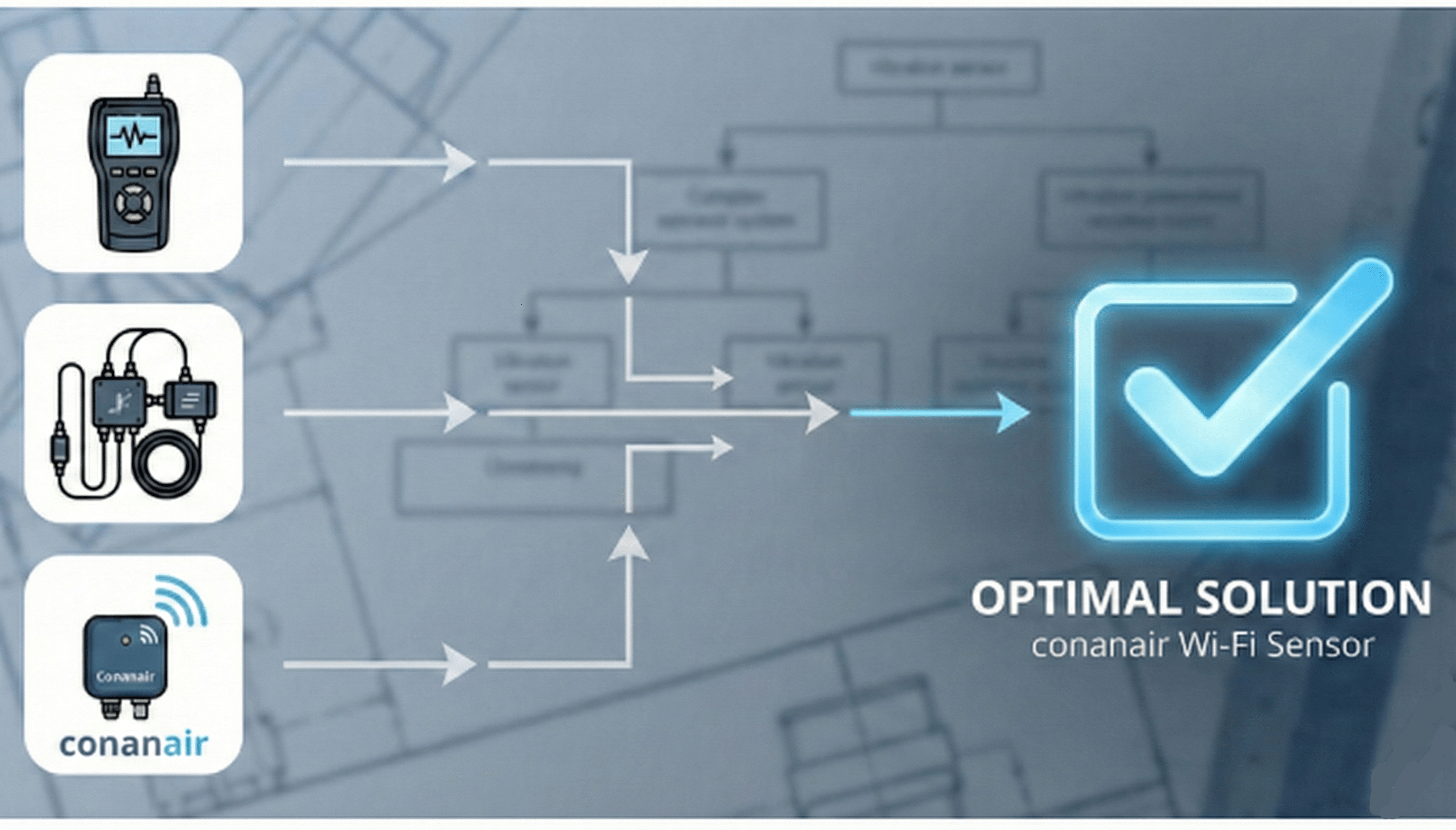
How to Choose the Right Vibration SensorThinking about starting vibration monitoring but not sure which method is best? Simply follow our YES/NO diagn...

Vibration monitoring is a field where the gap between theory and actual site conditions can be vast. In this category, we go beyond basic concepts to provide a practical technical guide for engineers and maintenance professionals. From selecting the right sensor to analyzing complex waveforms, these articles offer the hands-on expertise required to achieve reliable, data-driven machinery diagnostics.
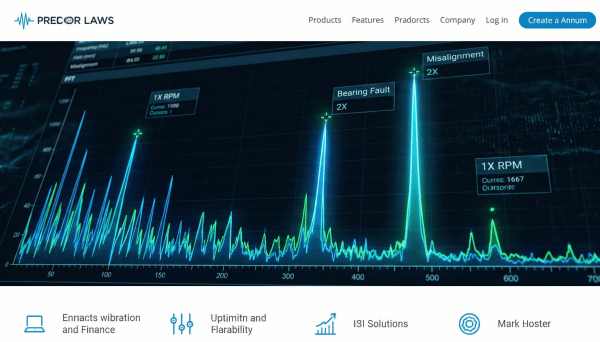
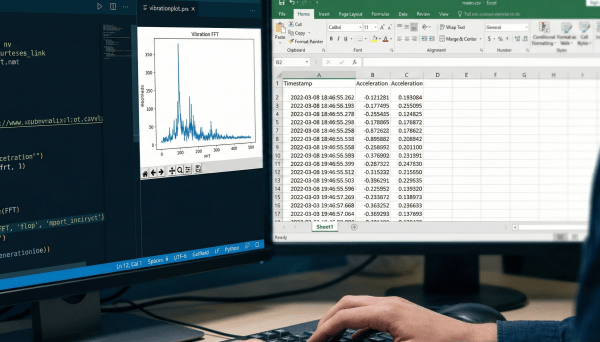
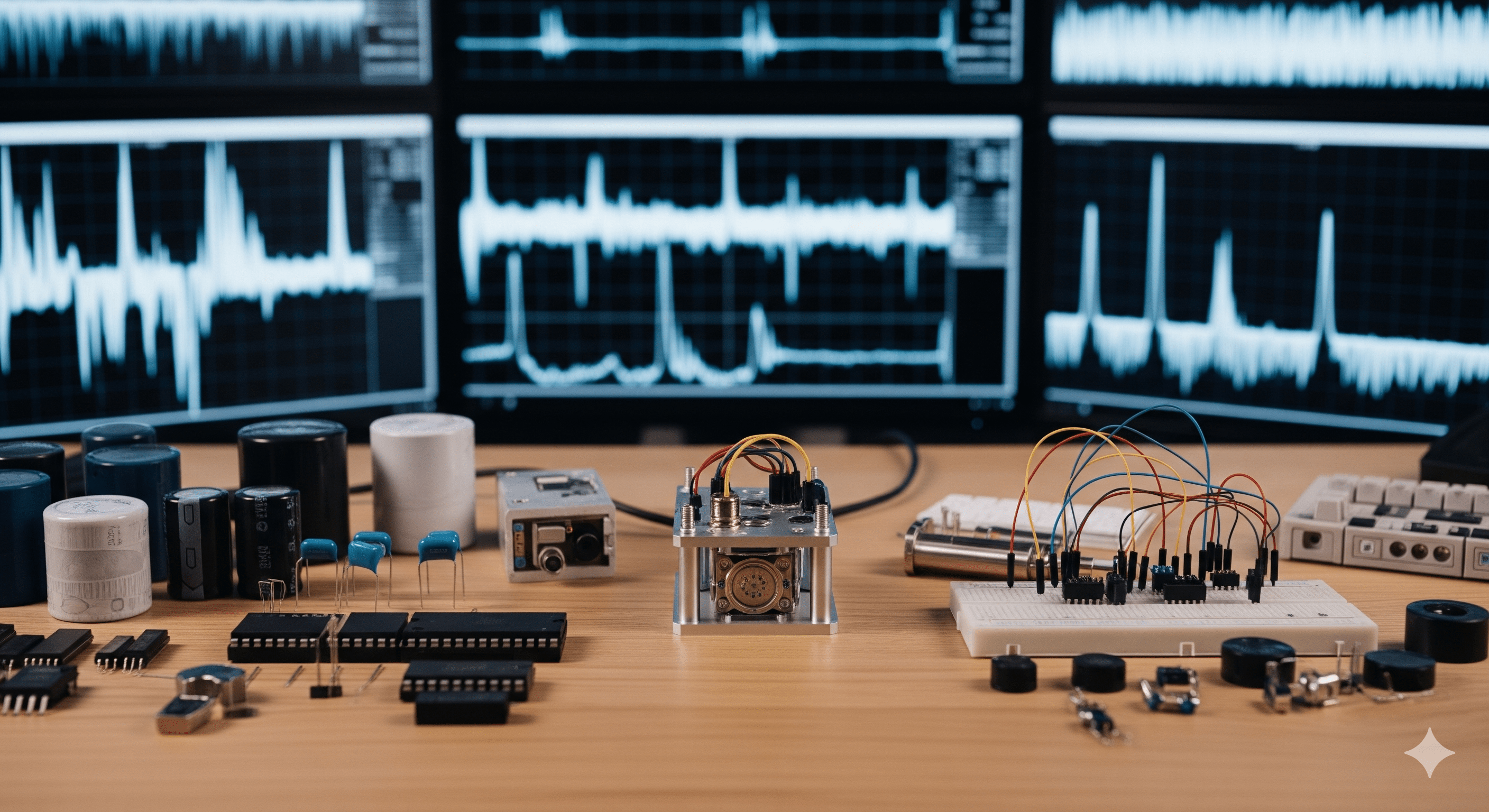
The first step toward successful monitoring is choosing a sensor that fits your specific environment, whether it be handy, wired, or wireless. To support this decision, we provide a clear selection guide and an extensive vibration waveform library that showcases actual signs of machinery anomalies. By comparing real-world waveforms of bearing damage and unbalance, engineers can learn how to identify potential failures with confidence. Our technical guides also delve into advanced data utilization, showing how to move from simple CSV exports to professional-grade Python analysis, empowering engineers to build their own predictive algorithms.
At the heart of conanair’s development is a strict philosophy formed by field experts who understand the frustrations of "black-boxed" analysis. In our developer columns, we share the story of how conanair was built specifically to solve the limitations of conventional IoT sensors. We explain our technical choice to prioritize saving raw vibration data over simplified AI scores, ensuring that on-site engineers always have access to the facts behind an anomaly judgment. These insights reveal the "reverse thinking" and academic collaboration that make our low-cost, high-precision technology possible, providing a behind-the-scenes look at a sensor designed by maintenance experts for maintenance experts.