
How should displacement, velocity, and acceleration be used properly in vibration measurement?[Conclusion] In order to properly evaluate vibration, i...

Vibration monitoring is a fundamental pillar of equipment maintenance, yet it is a field where basic misunderstandings can lead to critical diagnostic errors. In this category, we provide a comprehensive guide to the essential principles of vibration monitoring, specifically designed for maintenance engineers who need to bridge the gap between theoretical physics and practical on-site diagnostics.
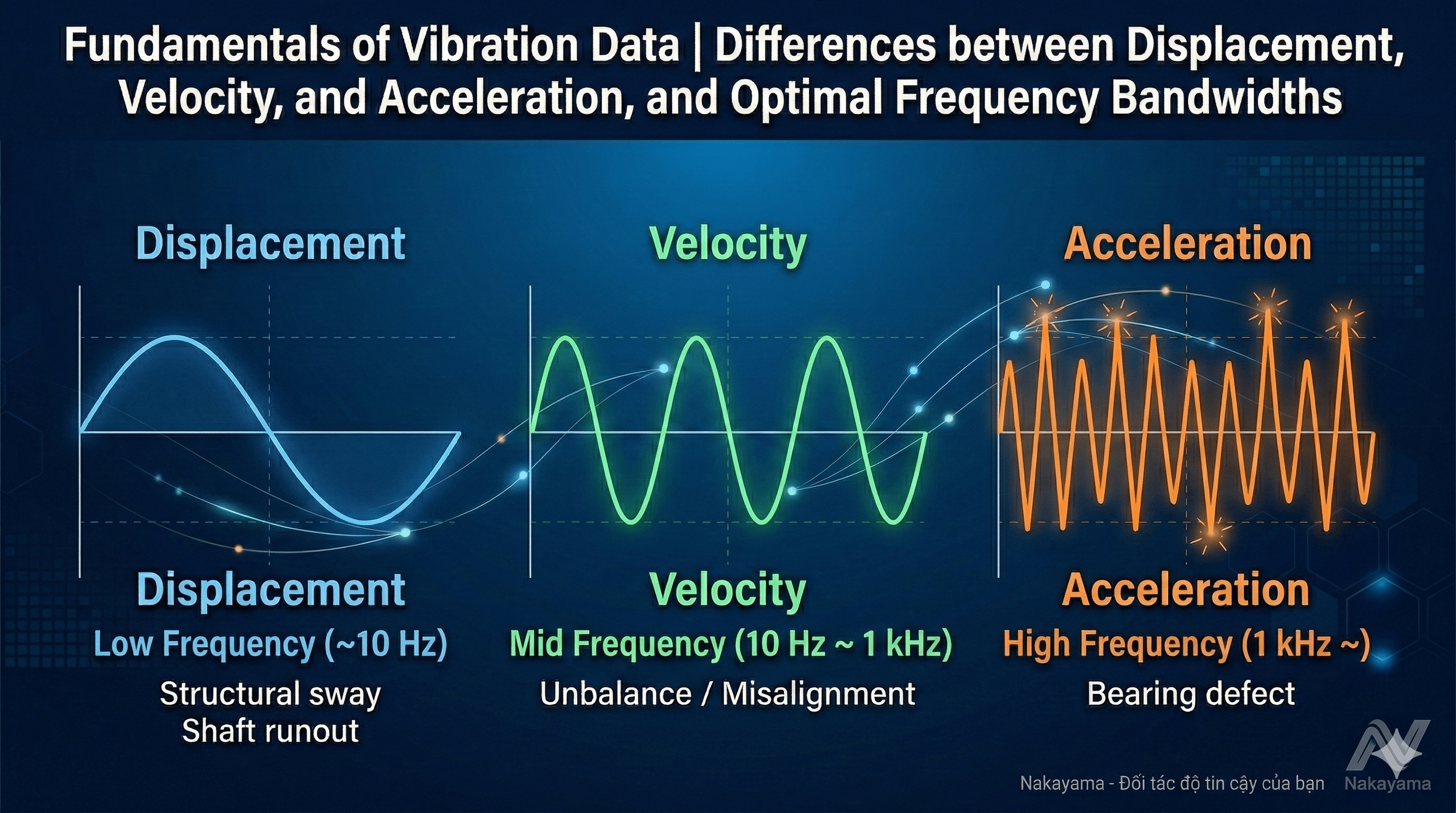
A common challenge for maintenance professionals is determining which metric to monitor for specific equipment anomalies. To address this, we delve into the fundamental differences between displacement, velocity, and acceleration, and how their sensitivities change across various frequency bands. By understanding why acceleration is indispensable for early-stage bearing damage detection—and why velocity is the standard for general rotating machinery unbalance—engineers can establish a "necessary and sufficient" monitoring strategy that balances cost and reliability.
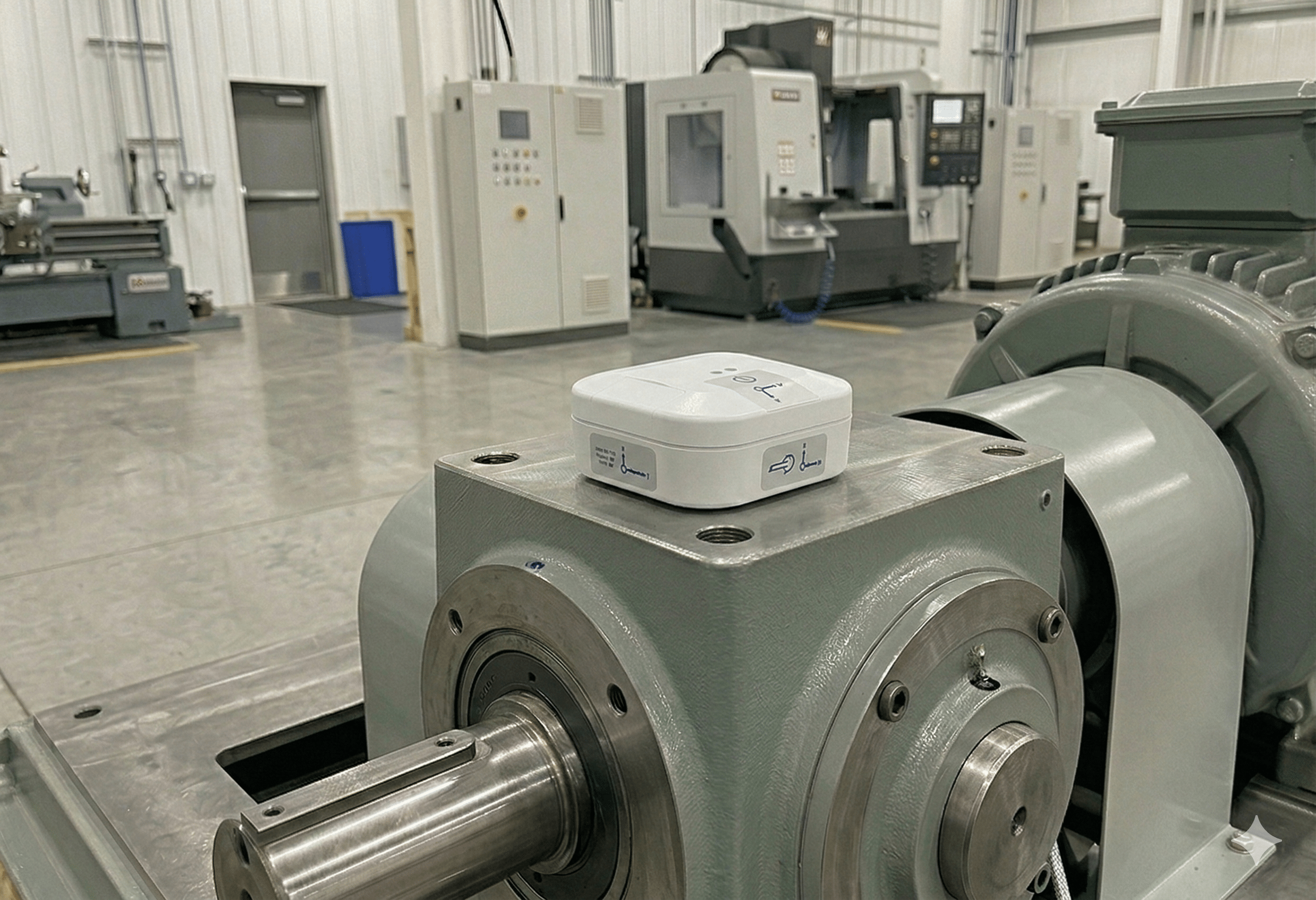
Even the most advanced sensor will fail to deliver accurate data if installed incorrectly. We provide practical insights into the critical importance of sensor installation, comparing the differences between modern 3-axis (XYZ) simultaneous detection and traditional single-axis pencil-type measurements. By mastering the correct installation direction and understanding how vibrations transmit through bearing housings, you can ensure that your data is consistent and actionable. These articles offer the foundational expertise needed to transform raw vibration measurements into a reliable predictive maintenance system.